

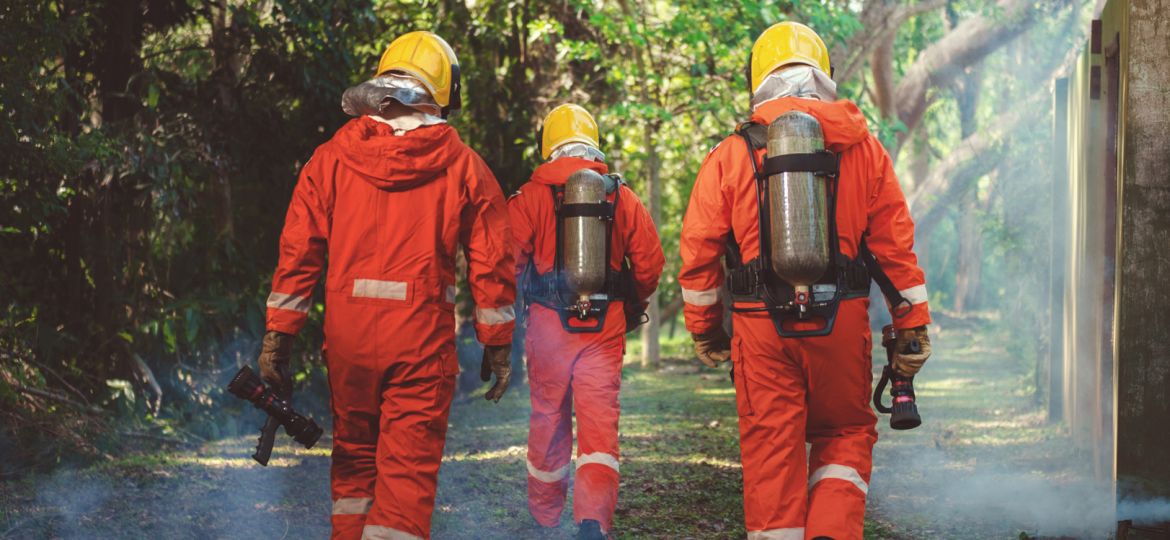
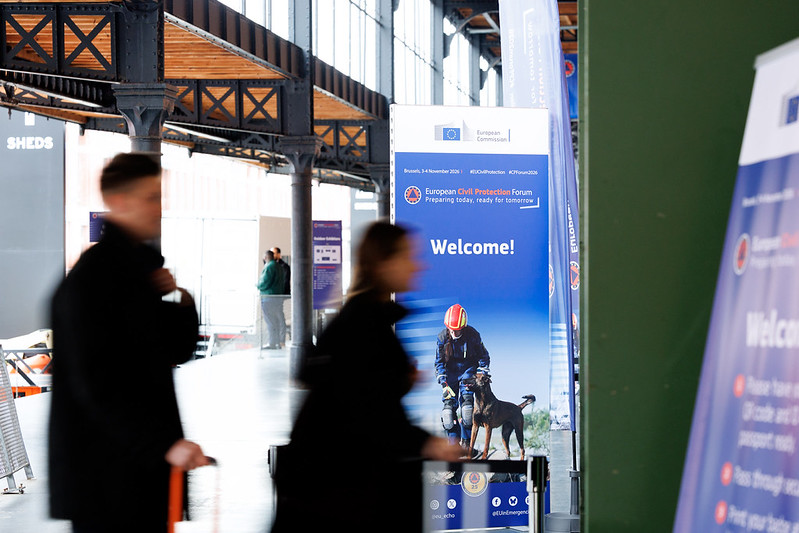
On 3-4 November 2026, DARE attended the 9th European Civil Protection Forum, bringing together policymakers, emergency management professionals, first responders, researchers, civil society organizations, and private-sector partners from across Europe and beyond. The flagship event of the European civil protection community was centred around a timely and forward-looking theme: “Preparing today, ready for tomorrow.”
As Europe faces an increasingly complex risk environment shaped by climate change, extreme weather events, technological disruptions, health emergencies, and geopolitical instability, the Forum provided an important platform to discuss how societies can strengthen preparedness, resilience, and coordinated response capabilities.

Strengthening European Resilience
A central message throughout the Forum was that no country can tackle major disasters alone. Whether responding to devastating floods, large-scale wildfires, earthquakes, or public health emergencies, effective cooperation remains essential.
Participants explored how the European Union can continue building a stronger and more resilient civil protection system by enhancing cross-border collaboration, improving risk assessment, and investing in preparedness at all levels of society. Discussions highlighted the importance of integrating civil protection into broader resilience strategies, ensuring that communities are better prepared.
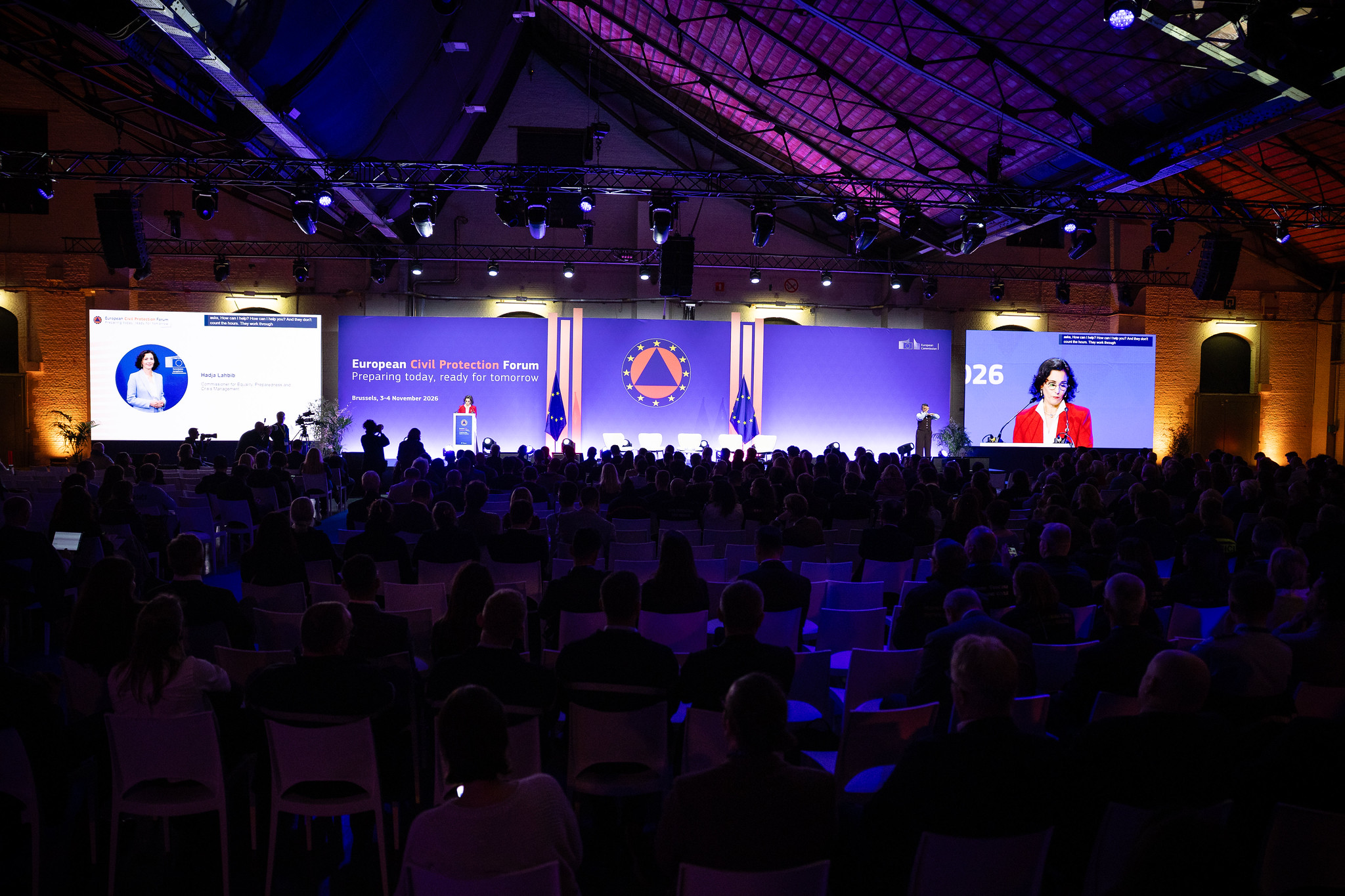
Commissioner for Equality, Preparedness and Crisis Management Hadja Lahbib presented new guidelines to help people and communities prepare for emergencies, including during the first 72 hours of a crisis. She also announced plans for an annual EU Preparedness Day, with the first edition planned in October 2027.
Addressing Emerging and Evolving Risks
The Forum reflected the reality that Europe’s risk landscape is changing rapidly. Sessions focused on a wide range of current and emerging challenges, including:
- Climate adaptation and disaster risk reduction
- Integrated wildfire risk management
- Extreme heat and other climate-related hazards
- Early warning systems and public preparedness
- Artificial intelligence and digital technologies in emergency management
- Civil-military cooperation
- Crisis communication and combating misinformation
Experts emphasized that preparedness must evolve alongside these risks. Investing in innovation, predictive analytics, and digital tools can help authorities make faster and more informed decisions when disasters occur.
All this was framed by dedicated sessions on high-level capability planning.
Innovation at the Center of Civil Protection
One of the Forum’s highlights was the exhibition area, where Member States, international organizations, research institutions, and private-sector innovators showcased cutting-edge solutions for crisis management.

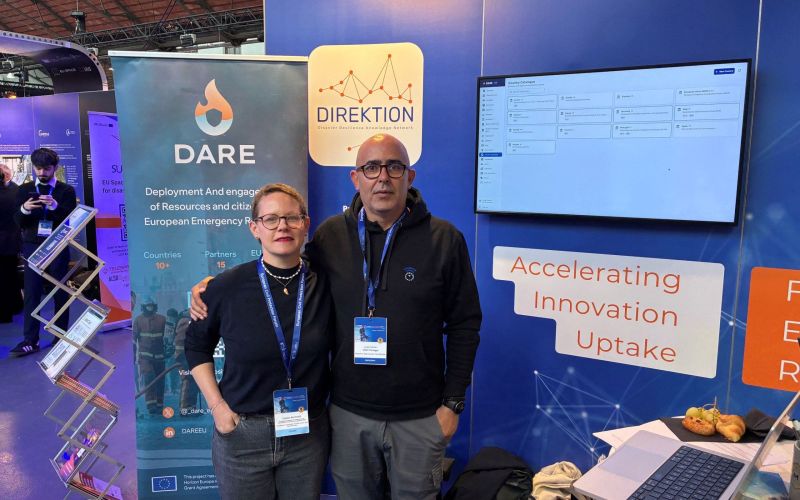

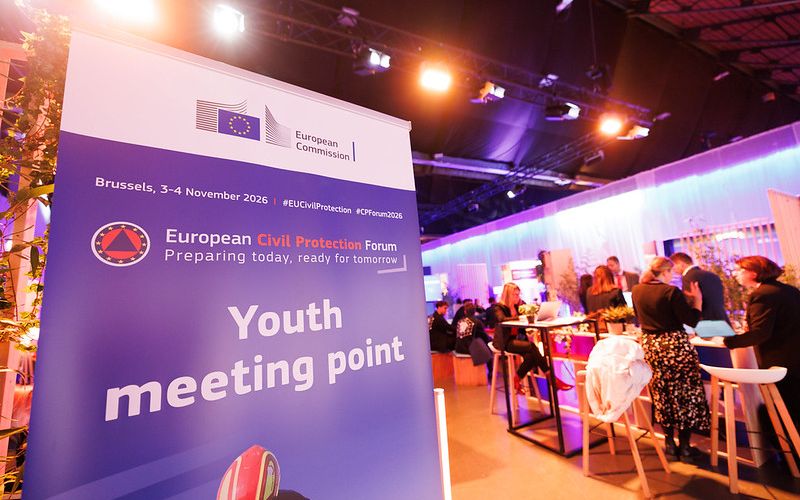
From drone technologies and robotic systems to advanced forecasting models and data-driven decision-support tools, or gamified risk management approaches, attendees had the opportunity to see how innovation is transforming disaster preparedness and response.
These technologies are becoming increasingly important as emergency services seek to improve situational awareness, optimize resource allocation, and protect both responders and affected populations.
Engaging the Next Generation
Recognizing that resilience is a shared responsibility, the Forum also placed a strong focus on youth engagement. A dedicated Youth Agenda brought together young participants from across Europe, giving them an opportunity to contribute ideas and perspectives on the future of civil protection.
This initiative highlighted the importance of fostering a culture of preparedness among future generations. Building resilient societies requires not only strong institutions but also informed and engaged citizens who understand their role before, during, and after emergencies.
Celebrating 25 Years of European Solidarity
The 2026 Forum also marked the 25th anniversary of the EU Civil Protection Mechanism, a cornerstone of European solidarity. Over the past quarter century, the mechanism has enabled countries to support one another during major disasters both within Europe and around the world.
The anniversary provided an opportunity to reflect on the achievements of the civil protection community while looking ahead to future challenges. The message was clear: solidarity remains one of Europe’s greatest strengths in times of crisis.
