

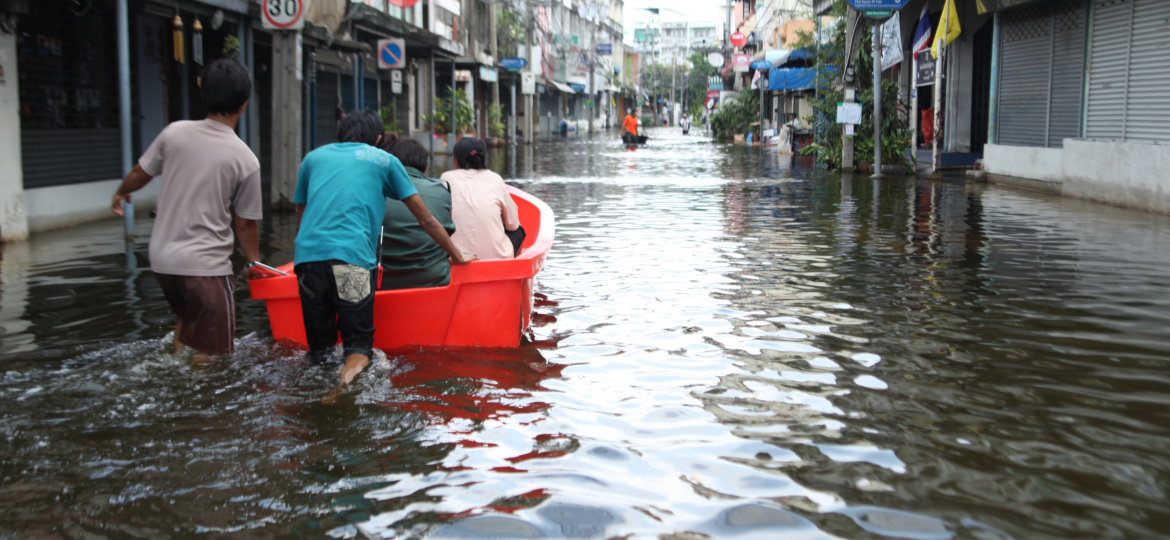
When a crisis hits, cities are where the impact is felt first. Whether it is a flood, a heatwave, or an industrial accident, local authorities are the ones coordinating emergency services, making critical decisions, and communicating directly with the population.
But their role goes far beyond emergency response. Cities are the main point of reference for citizens in their daily lives. They manage public services, coordinate civil protection, and are accountable to the people they serve. This is precisely why their involvement in a project like DARE is so important.
Why cities matter
In most European countries, mayors and local elected officials are responsible for coordinating civil protection at the local level. They are the ones activating emergency plans, mobilising resources, and taking political decisions that directly shape how a crisis is managed. They do not only step in when something goes wrong. They are responsible for prevention, preparedness, and recovery. Citizens turn first to their local authorities, not to national agencies or European institutions.
This is why DARE has made the engagement of cities a central part of its approach. Through a dedicated Cities Community of Practice, the European Forum for Urban Security (Efus) brings together city representatives from across Europe to share their experiences, identify common challenges, and contribute to the tools and processes being developed by the project.
The cities involved include Matosinhos in Portugal, Kordelio-Evosmos in Greece, and Brabant Wallon in Belgium. Other cities are also invited on a punctual basis to contribute to specific exchanges and activities. Each of them faces different risks and operates within different institutional frameworks, but they all share the same fundamental responsibility: protecting their citizens and coordinating the response when crises occur.
Learning from each other
One of the strengths of the Community of Practice of Cities is that it creates a space for open exchange between cities that rarely have the opportunity to compare practices directly, while also helping to identify areas for improvement and progress together.
How does Matosinhos organise its civil protection services? How does Kordelio-Evosmos coordinate with volunteer organisations? What works in Brabant-Wallon could be adapted elsewhere?
These are practical questions, and the answers are grounded in real operational experience. The discussions are not theoretical. They focus on concrete issues such as how to train and manage volunteers, how to ensure coordination between professional responders and citizen initiatives, or how to share information quickly and reliably during an emergency.
This operational approach also helps cities better identify their own needs and expectations regarding the tools and solutions developed within the project.
When asked about the added value of the DARE Community of Practice during the 1st Workshop held in Gelsenkirchen on the dashboard requirements of the DARE project, city representatives particularly emphasised the practical benefits of participating in this exchange platform.
For Matosinhos, the exchange of operational experience is a central contribution to the network. The city brings expertise in crisis management and in the development of dashboards integrating critical GIS-based information to support decision-making during emergencies.
Representatives from the municipality emphasised the importance of being part of a European network where cities can exchange experiences, discuss common difficulties, and learn from one another’s operational realities.
Volunteers, in particular, have been a recurring topic throughout the discussions. Across Europe, volunteers represent a significant part of local response capacity. Yet integrating them into structured emergency operations raises important challenges related to training, insurance, coordination with professional services, and liability.
Cities have been sharing how they address these issues, from pre-registration systems to dedicated volunteer coordination roles within crisis centres.
Preparing for what comes next
These exchanges are not only about sharing knowledge. They also help prepare cities for DARE’s upcoming trial exercises, where the project’s coordination tools will be tested in realistic operational scenarios.
A major trial exercise is planned for September 2026 in Matosinhos and will involve several cities participating in the Community of Practice.
Through workshops and practical exercises, city representatives have been working through scenarios that reflect their actual operational contexts. This process helps identify what works, what needs to be adjusted, and where gaps remain between technological possibilities and the practical needs of local decision-makers on the ground.
For the DARE Consortium, this feedback is essential. A coordination platform is only useful if it fits into the way cities already operate. By keeping local authorities at the centre of the conversation, the project ensures that its results remain grounded in operational reality rather than driven solely by technical ambition.
A political, not just operational, contribution
Cities are not simply end users of European research and innovation. They contribute practical experience, knowledge of local constraints, and direct responsibility in crisis situations, dimensions that are often overlooked in purely technical approaches.
Local authorities make decisions with immediate consequences for residents, particularly during emergencies. The Cities Community of Practice aims to ensure that their experience, needs, and realities are fully integrated into the development of tools and solutions for crisis preparedness and management.
Written by: Bamba Niang, European Forum for Urban Security (Efus).
